

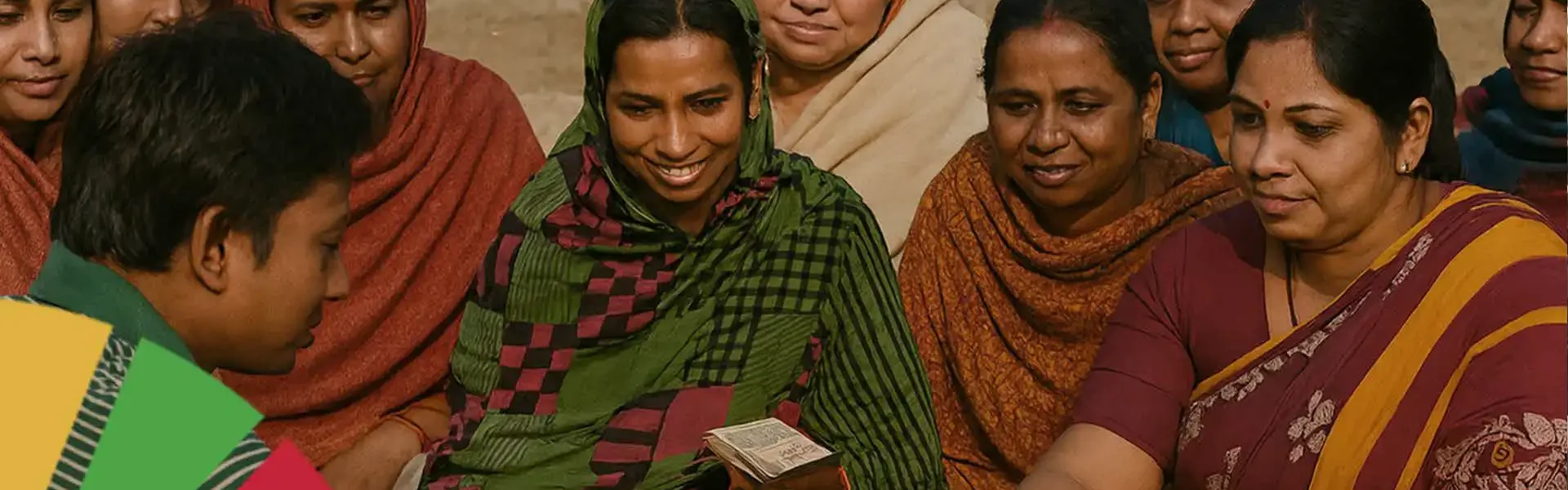
Central banks in various parts of the world, including South Asia, are exploring pathways to supporting the attainment of the SDGs without jettisoning their essential task as guardians of stability.
Executive Summary
South Asian central banks are being urged to broaden their traditional focus on price and financial stability to actively support the Sustainable Development Goals (SDGs), as the region remains behind on its 2030 targets. Their role spans gender equality, inclusive growth, climate action, and global partnerships. On gender parity (SDG 5), women’s representation in monetary policy committees is still limited, though Bangladesh, India, and Pakistan have introduced gender-sensitive lending and leadership initiatives, while Nepal and Sri Lanka lag. For decent work and growth (SDG 8), programs like India’s Jan Dhan Yojana and Pakistan’s Banking on Equality Policy show how central banks can expand credit access and support SMEs to foster employment. Climate action (SDG 13) is advancing through green refinancing and bond issuance in Bangladesh and India, with Pakistan and Sri Lanka adopting sustainable lending guidelines, though Nepal’s progress is minimal. Strengthening partnerships (SDG 17) through networks like NGFS, enhancing data transparency, and investing in innovation are critical next steps. By aligning monetary policy with SDGs, central banks can drive inclusive, resilient, and climate-responsive development across South Asia.
South Asian central banks are being urged to broaden their traditional focus on price and financial stability to actively support the Sustainable Development Goals (SDGs), as the region remains behind on its 2030 targets. Their role spans gender equality, inclusive growth, climate action, and global partnerships. On gender parity (SDG 5), women’s representation in monetary policy committees is still limited, though Bangladesh, India, and Pakistan have introduced gender-sensitive lending and leadership initiatives, while Nepal and Sri Lanka lag. For decent work and growth (SDG 8), programs like India’s Jan Dhan Yojana and Pakistan’s Banking on Equality Policy show how central banks can expand credit access and support SMEs to foster employment. Climate action (SDG 13) is advancing through green refinancing and bond issuance in Bangladesh and India, with Pakistan and Sri Lanka adopting sustainable lending guidelines, though Nepal’s progress is minimal. Strengthening partnerships (SDG 17) through networks like NGFS, enhancing data transparency, and investing in innovation are critical next steps. By aligning monetary policy with SDGs, central banks can drive inclusive, resilient, and climate-responsive development across South Asia.
This Policy Brief was published in 2026 in Griffith Asia Pacific Strategic Outlook
In Partnership with United Nations
More Details
In Partnership with United Nations